

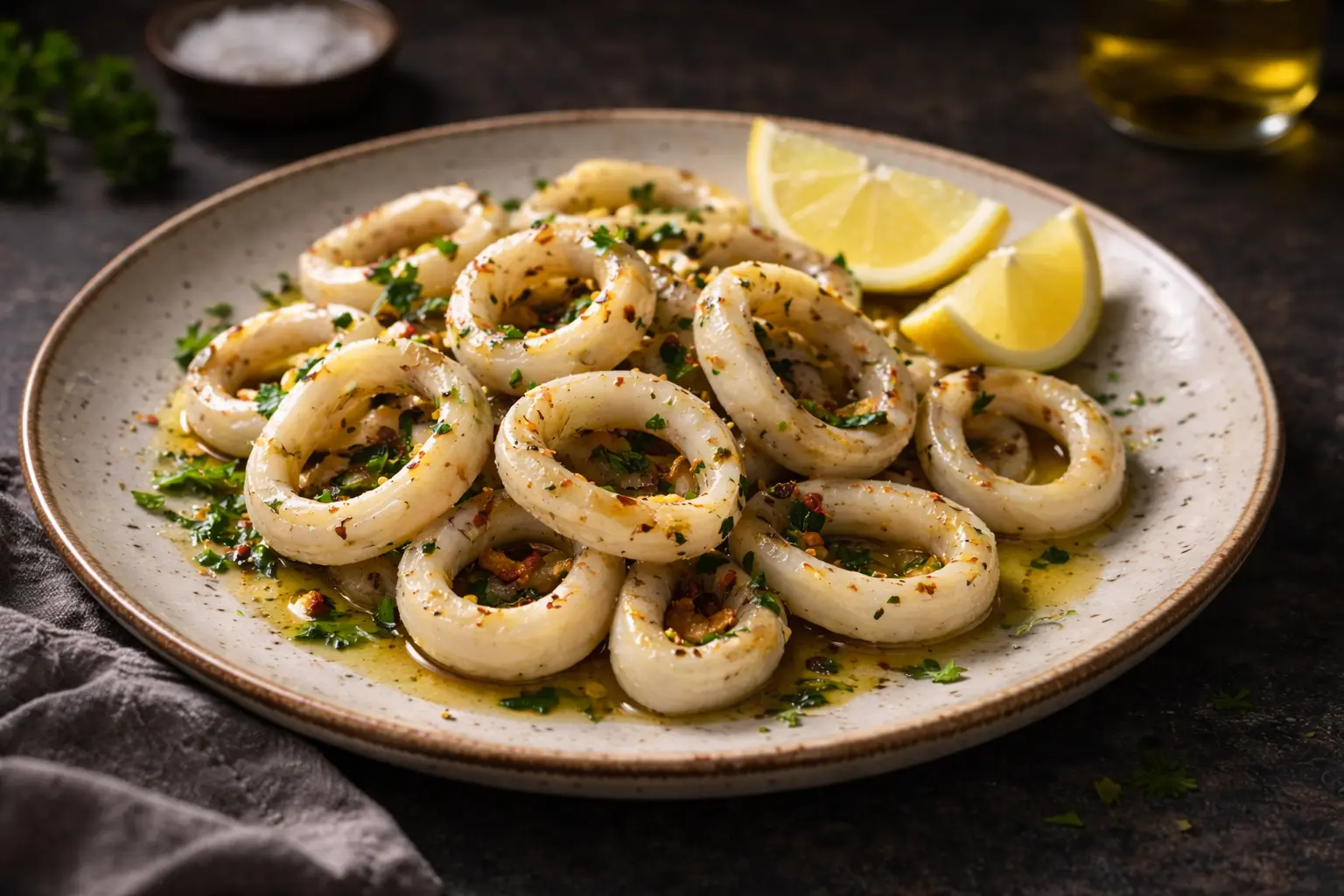
Calamariere is a culinary concept rooted in Mediterranean seafood traditions that centers on squid, not as a single fixed recipe, but as a style of preparation shaped by technique, simplicity, and regional identity. Rather than pointing to one dish, calamariere reflects how coastal cultures transform squid into meaningful, shared meals.
At its heart, calamariere emphasizes freshness, balance, and respect for the ingredient. This is why definitions vary online—some describe a dish, others a method. The most accurate understanding is broader: calamariere is a tradition-driven approach to cooking squid.
Why Calamariere Matters
Calamariere matters because it preserves a way of cooking that predates modern restaurant trends. In coastal kitchens, squid wasn’t dressed up with heavy sauces or elaborate plating. It was cooked quickly, seasoned lightly, and shared communally.
This approach reflects the values of Mediterranean cuisine—fresh ingredients, minimal intervention, and meals that connect people. In an era of overcomplicated seafood dishes, calamariere offers a reminder that technique often matters more than excess.
Origins and Cultural Roots
The tradition behind calamariere developed in fishing communities across Italy, Spain, and nearby Mediterranean regions. In places like Sicily, squid was plentiful, affordable, and deeply woven into daily life.
Fishermen and their families refined ways to:
- Clean squid efficiently
- Cook it quickly to preserve tenderness
- Enhance flavor without overpowering it
Over generations, these practices became cultural habits, passed down through home kitchens rather than formal recipes.
Is Calamariere a Real Dish or a Concept?
This is where confusion often arises.
Calamariere can appear on menus or in food writing as if it’s a specific dish. In reality, it’s closer to a culinary framework—a set of shared ideas about how squid should be handled, cooked, and enjoyed.
Think of calamariere as:
- A tradition, not a trademarked recipe
- A method, not a rigid formula
- A cultural expression, not a single plate
Understanding this distinction clears up much of the online ambiguity.
Core Ingredients and Flavor Profile
While variations exist, calamariere relies on a short, intentional ingredient list.
Common ingredients include:
- Fresh squid
- Olive oil
- Garlic
- Herbs such as parsley or oregano
- Salt and mild spices (optional)
The resulting flavor profile is clean and restrained. Squid brings natural sweetness and a subtle brininess, supported—not masked—by seasoning.
How Calamariere Is Prepared
Basic Preparation Principles
- Cleaning the squid thoroughly
Removing the cartilage, membrane, and ink sac is essential for texture and flavor. - Keeping cooking times short
Squid is either cooked very briefly or very slowly. Calamariere almost always favors quick cooking. - Using high heat with restraint
Grilling, sautéing, or light frying locks in tenderness. - Seasoning at the right moment
Often after cooking, not before.
The defining rule is simple: overcooking ruins calamariere.
Regional Variations Across the Mediterranean
Calamariere adapts naturally to local tastes and ingredients.
| Region | Typical Method | Flavor Notes |
|---|---|---|
| Southern Italy | Light frying or sautéing | Garlic, olive oil, herbs |
| Sicily | Grilling or slow simmer | Citrus, local greens |
| Spain | Pan-searing or frying | Paprika, olive oil |
| Greece | Grilled whole squid | Lemon, oregano |
Each version reflects geography, climate, and culinary heritage rather than strict rules.
Calamariere vs Calamari: The Key Difference
This comparison is one of the most searched—and most misunderstood.
Calamari usually refers to:
- A specific dish
- Often battered and fried
- Common in restaurant menus
Calamariere, by contrast:
- Refers to a broader cooking tradition
- Includes multiple techniques
- Focuses on method and context
In simple terms, calamari is a product; calamariere is the philosophy behind how squid is prepared.
When and How Calamariere Is Served
Traditionally, calamariere is served:
- During family meals
- After fishing outings
- At coastal gatherings and festivals
It’s rarely eaten alone. Bread, vegetables, or simple salads typically accompany it, reinforcing its role as a shared dish rather than a centerpiece meant to impress.
Tools and Techniques That Matter
You don’t need specialized equipment to prepare calamariere.
Common tools include:
- A sharp knife
- A cast-iron skillet or grill
- Paper towels to remove moisture
Techniques that make a difference:
- Drying squid before cooking
- Avoiding overcrowding the pan
- Cooking in small batches
These details separate tender calamariere from chewy disappointment.
Common Mistakes to Avoid
Even experienced cooks slip up with squid.
Frequent mistakes include:
- Overcooking
- Using heavy marinades
- Skipping proper cleaning
How to avoid them:
- Cook for minutes, not tens of minutes
- Let squid’s natural flavor lead
- Practice careful preparation
Calamariere rewards restraint.
Health, Nutrition, and Considerations
Squid used in calamariere offers:
- Lean protein
- Vitamin B12
- Selenium and other trace minerals
Health impact depends largely on preparation. Grilled or sautéed calamariere fits comfortably into balanced diets, while deep-fried versions should be enjoyed in moderation. Seafood allergies are the primary safety consideration.
Can You Make Calamariere at Home?
Yes—and that’s part of its appeal.
Home cooks can approach calamariere by:
- Buying fresh or well-frozen squid
- Keeping recipes simple
- Respecting cooking time
No advanced techniques are required—just attention and patience.
Ordering Calamariere in Restaurants
When dining out, look for menu descriptions that mention:
- Grilled or sautéed squid
- Olive oil–based preparation
- Minimal sauces
If a dish is heavily battered or covered in sauce, it may be calamari—but not calamariere in the traditional sense.
Alternatives and Related Squid Dishes
If calamariere isn’t available, related options include:
- Grilled whole squid
- Squid stewed with herbs
- Lightly fried calamari
These dishes share ingredients but may differ in philosophy or execution.
Conclusion
Calamariere is best understood not as a trend or a single dish, but as a culinary tradition shaped by place, history, and technique. By focusing on freshness, simplicity, and respect for squid, it preserves a way of cooking that values substance over spectacle.
For anyone curious about Mediterranean seafood, exploring calamariere is less about following a recipe and more about embracing a mindset—one that lets the ingredient speak for itself.
FAQs
What is calamariere?
Calamariere is a Mediterranean culinary tradition focused on preparing squid with simple techniques and minimal seasoning.
Is calamariere the same as calamari?
No. Calamari is a dish; calamariere is a broader cooking approach or tradition.
Where did calamariere originate?
It developed in Mediterranean coastal communities, particularly in Italy and Spain.
Is calamariere a single recipe?
No. It represents multiple preparation styles rather than one fixed recipe.
How is calamariere usually cooked?
Typically grilled, sautéed, or lightly fried with short cooking times.
Is calamariere healthy?
Yes, especially when grilled or sautéed rather than deep-fried.
Can beginners cook calamariere at home?
Absolutely. It requires basic tools and careful timing, not advanced skills.
