
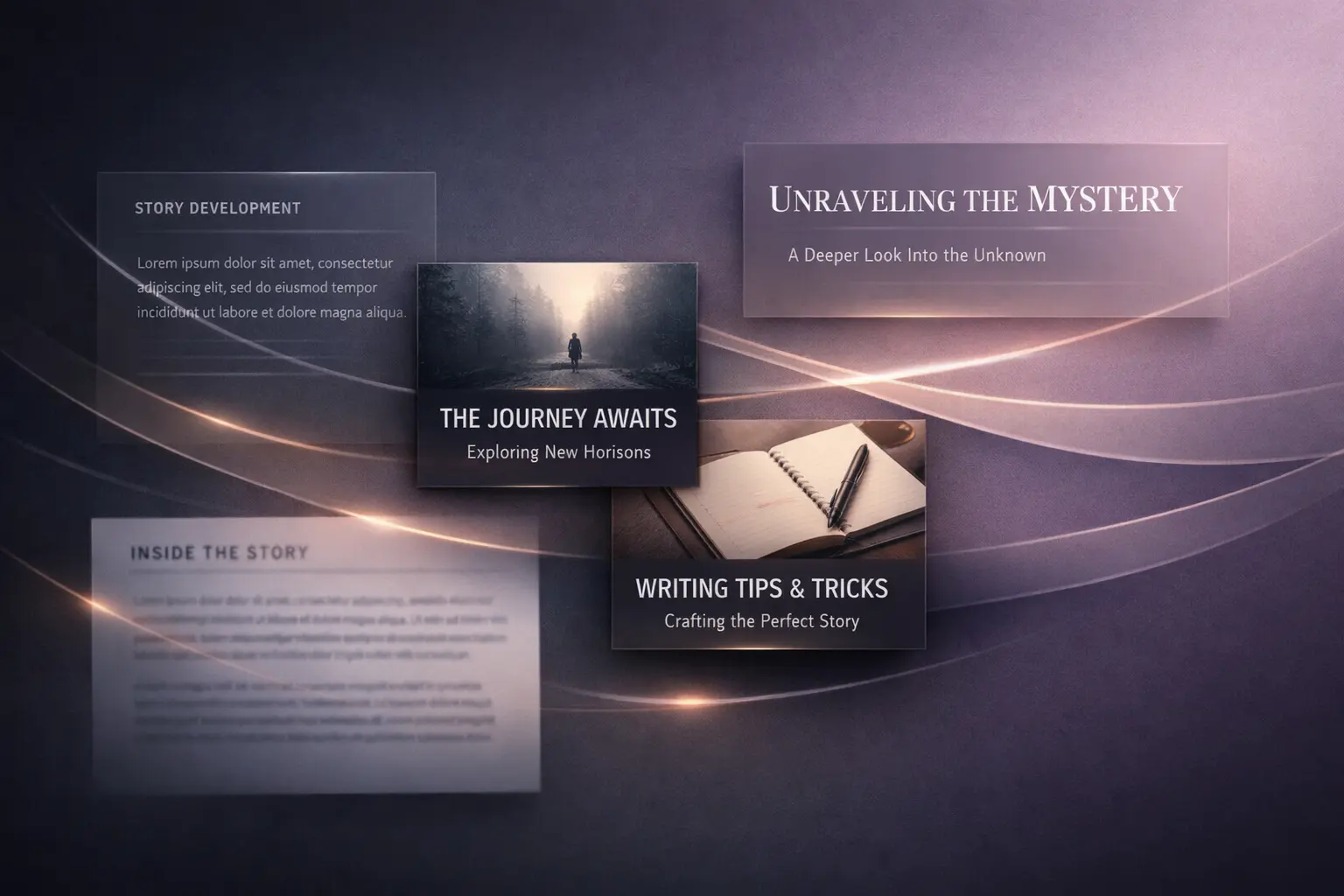
In today’s evolving digital landscape, content is no longer built around a single perspective. The idea behind “Your Topics Multiple Stories” reflects a shift toward layered narratives, where one topic unfolds through several angles, voices, and storytelling layers. As digital storytelling grows across platforms like Medium, Substack, and podcast-driven media, creators are exploring narrative-driven content structures that go beyond traditional blogging.
Modern audiences expect depth, context, and structure. Instead of presenting one linear message, layered narratives allow creators, educators, and marketers to organize information into interconnected story arcs. This approach aligns with broader trends in editorial writing, journalism, and interactive media, where storytelling frameworks prioritize clarity and engagement over simplicity.
What Is “Your Topics Multiple Stories”?
Your Topics Multiple Stories refers to a structured storytelling approach where a single subject is explored through multiple narratives, perspectives, or thematic layers. Rather than presenting information as a single storyline, creators use narrative hierarchy to guide readers through different viewpoints within the same content.
Layered narratives often combine:
- Editorial storytelling techniques
- Multi-perspective analysis
- Long-form content strategy
- Structured storytelling frameworks
This method is widely used in digital storytelling, where audience engagement depends on both depth and structure. By organizing stories into layers, writers can present complex ideas without overwhelming readers.
Why Layered Narratives Matter
Layered storytelling works because audiences consume content differently today. Readers scroll quickly, compare sources, and expect diverse viewpoints. Multi-story content helps meet these expectations by creating a richer, more interactive reading experience.
Why Modern Content Thrives on Layered Narratives
Audience Engagement and Narrative Psychology
Content psychology shows that readers remember stories better when information is presented through multiple angles. Instead of a single linear explanation, layered narratives create cognitive pathways that help audiences connect ideas.
Benefits include:
- Improved comprehension
- Increased reading time
- Stronger emotional connection
- Clear narrative hierarchy
Digital media platforms have amplified this shift. Podcast storytelling, journalism, and interactive media often rely on multiple narratives to build authority while maintaining accessibility.
Editorial Writing in a Multi-Story Environment
Editorial writing has evolved from simple opinion pieces into structured storytelling systems. Writers now use content frameworks to organize ideas into thematic layers such as:
- Contextual storytelling
- Analytical breakdowns
- Human-centered perspectives
- Future-focused insights
This approach allows long-form content to remain engaging without losing clarity.
How Layered Narratives Work in Practice
Layered narratives rely on a structured storytelling framework rather than random storytelling elements. Below is a simplified process used by creators across digital storytelling platforms.
Step-by-Step Framework
- Define the Core Topic
Identify a central idea that can support multiple story angles. - Map Narrative Layers
Use narrative mapping to outline perspectives such as educational, analytical, or experiential. - Build Story Arcs
Each layer should follow a logical progression that connects back to the main topic. - Maintain Structural Balance
Avoid overwhelming readers by organizing content into clear sections. - Guide Readers Through Transitions
Smooth transitions help readers understand how each story connects to the overall narrative.
Single Narrative vs Layered Narrative Content
| Feature | Single Narrative | Layered Narrative |
|---|---|---|
| Perspective | One viewpoint | Multiple perspectives |
| Engagement | Moderate | High |
| Content Depth | Limited | Extensive |
| Reader Experience | Linear | Dynamic |
| Editorial Flexibility | Low | High |
This comparison highlights why narrative-driven content strategies are becoming more common in modern content ecosystems.
Who Should Use Multi-Story Content?
Layered narratives are useful for:
- Content strategists building long-form blogs
- Educators explaining complex topics
- Journalists presenting multi-angle reporting
- Marketers creating narrative-driven campaigns
Creators on Medium or Substack often use layered storytelling to keep readers engaged across long-form posts. Similarly, interactive media projects rely on narrative hierarchy to guide audiences through complex information.
Creator Workflows for Multi-Perspective Storytelling
One of the biggest gaps in existing content discussions is the lack of practical workflows. Below is a simple editorial model used by digital storytellers.
Narrative Workflow Model
- Start with a central thesis
- Break the topic into thematic layers
- Assign each layer a storytelling goal
- Use content frameworks to structure transitions
- End with a unified conclusion that connects all perspectives
Practical Example
A content strategist writing about digital storytelling might structure layers as:
- Historical context
- Modern applications
- Psychological impact
- Future trends
This structure prevents repetition while maintaining narrative clarity.
Psychological Impact of Layered Narratives
Human-centered storytelling often relies on multi-perspective narratives because people naturally understand stories through comparison. When readers encounter multiple viewpoints, they develop a broader understanding of the topic.
Key psychological advantages include:
- Enhanced retention of information
- Increased trust through transparency
- Stronger engagement with long-form content
Digital storytelling frameworks use this principle to create editorial experiences that feel both educational and immersive.
Common Mistakes to Avoid
Even though layered storytelling offers many benefits, creators sometimes misuse the approach.
Avoid these pitfalls:
- Overloading content with too many perspectives
- Losing the central narrative focus
- Using abstract language without structure
- Ignoring reader navigation
A well-designed storytelling framework should feel structured rather than complicated.
The Future of Narrative-Driven Content
As digital media continues to evolve, layered narratives are expected to play a larger role in content strategy. Interactive media, podcast storytelling, and editorial platforms are already shifting toward multi-angle storytelling models.
Emerging trends include:
- Narrative mapping tools
- Collaborative storytelling
- AI-assisted editorial frameworks
- Hybrid journalism formats
The growing popularity of long-form content suggests that audiences value depth, clarity, and storytelling structure over short, fragmented posts.
Conclusion
Your Topics Multiple Stories represents a modern shift in how digital content is created and consumed. By embracing layered narratives, creators can transform a single topic into a structured storytelling experience that blends analysis, context, and engagement. As digital storytelling continues to evolve across editorial platforms and interactive media, narrative-driven content strategies offer a powerful way to balance depth with clarity.
Rather than replacing traditional writing, layered narratives expand what storytelling can achieve. When used thoughtfully, they help creators deliver meaningful content that resonates with readers while adapting to the demands of the modern digital era.
FAQs
What does “Your Topics Multiple Stories” mean?
It describes a storytelling approach where one topic is explored through multiple narratives or perspectives, creating deeper and more engaging content.
Why use layered narratives in digital storytelling?
Layered narratives improve engagement, enhance clarity, and allow creators to present complex ideas without overwhelming readers.
How do multiple stories improve audience engagement?
By presenting diverse viewpoints, layered storytelling keeps readers interested and encourages deeper exploration of the topic.
Is multi-narrative storytelling effective for long-form blogs?
Yes, it helps organize long-form content into structured sections, making complex subjects easier to understand.
Who benefits most from layered storytelling?
Content strategists, educators, journalists, and creators working with narrative-driven content often gain the most value from this approach.
When should layered narratives be avoided?
If a topic is simple or requires quick answers, a single narrative structure may be more effective.
What tools help create layered narratives?
Narrative mapping methods, story arcs, and content frameworks are commonly used to structure multi-perspective storytelling.
