
Switching to solar energy is no longer just an environmental decision — it’s a financial one. Rising electricity bills, unstable grids, and growing sustainability goals have pushed homeowners and businesses toward smarter energy solutions.
One name often searched by people exploring modern solar systems is HMS Photovoltaik, associated with intelligent photovoltaic (PV) technology that combines high-efficiency panels, advanced inverters, and real-time monitoring.
If you’re wondering what it is, how it works, and whether it’s worth the investment, this guide breaks everything down in simple, practical terms.
What Is HMS Photovoltaik?
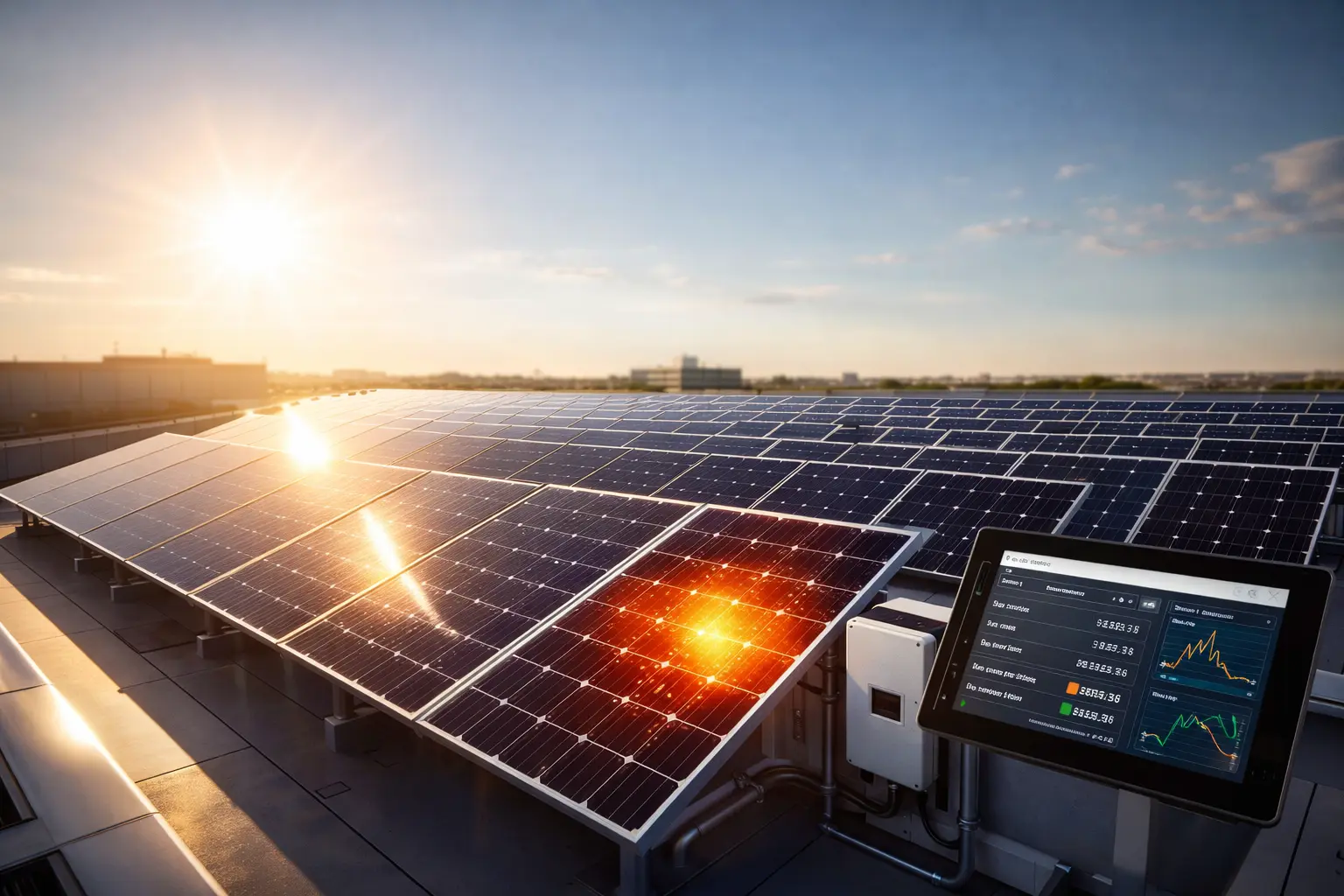
HMS Photovoltaik refers to smart photovoltaic solar systems that convert sunlight into electricity using solar panels, inverters, and monitoring software to optimize performance and reduce energy costs.
At its core, it’s part of the broader renewable energy ecosystem, similar to other grid-tied solar solutions — but with added intelligence through smart monitoring and system control.
Think of it as:
- Solar panels for power generation
- Inverters for DC-to-AC conversion
- Monitoring dashboards for tracking output
- Smart energy management tools
Instead of simply producing electricity, these systems help you measure, manage, and maximize every watt.
How Photovoltaic Systems Work (Step-by-Step)
Understanding the process removes most of the “technical fear” people have around solar.
Simple Breakdown
- Sunlight hits the solar panels
- Panels produce DC electricity
- Inverter converts DC → AC
- Power runs your home or business
- Extra energy goes to the grid (net metering) or battery storage
- Monitoring software tracks everything in real time
That’s it. No moving parts. No fuel. No noise.
Why Smart Solar Technology Matters
Traditional solar systems generate electricity. Smart systems do more.
Key advantages of smart photovoltaic systems
- Live performance tracking
- Faster fault detection
- Higher energy efficiency
- Better ROI visibility
- Easier maintenance
Without monitoring, you might lose 10–20% of output without realizing it. Smart monitoring prevents silent losses from shading, wiring issues, or inverter faults.
Main Benefits of HMS Photovoltaik Systems
1. Lower Electricity Bills
Produce your own power and reduce reliance on expensive grid electricity.
2. Long-Term Savings
Most systems last 20–25+ years, meaning decades of reduced costs.
3. Clean Energy
Zero emissions and reduced carbon footprint.
4. Energy Independence
Less affected by rising tariffs or outages.
5. Smart Control
Track production, consumption, and savings from your phone.
Where These Systems Are Used (Real Scenarios)
Residential Homes
- Rooftop solar
- Net metering
- Optional batteries for backup
Perfect for households with high daytime consumption.
Commercial Buildings
- Offices
- Retail stores
- Warehouses
Businesses often see faster payback because of heavy daily usage.
Industrial Facilities
- Factories
- Processing plants
- Large-scale operations
Solar reduces massive operational energy costs.
Core Components Explained
| Component | Purpose |
|---|---|
| Solar panels | Capture sunlight |
| Inverters | Convert DC to AC |
| Mounting structure | Secure installation |
| Smart meters | Track energy flow |
| Monitoring software | Analyze performance |
| Batteries (optional) | Store excess energy |
Installation Process (What to Expect)
Installing a photovoltaic system is more straightforward than most people think.
Typical steps
- Site inspection and shading analysis
- Energy consumption assessment
- System design
- Permits and grid approvals
- Panel and inverter installation
- Wiring and safety checks
- System testing
- Monitoring activation
Most residential installations take 1–3 days once permits are complete.
How Much Does It Cost?
Costs vary by country, system size, and equipment quality. However, these ranges help set expectations.
| System Type | Typical Range |
|---|---|
| Small home (3–5 kW) | $3,000–$8,000+ |
| Medium home (6–10 kW) | $8,000–$15,000+ |
| Commercial | $20,000–$250,000+ |
What affects pricing
- System capacity (kW)
- Roof type
- Installation complexity
- Local labor rates
- Batteries
- Incentives and rebates
Is It Worth the Investment?
Quick rule of thumb
If:
- Your bills are high
- You have good sunlight
- You plan to stay long-term
Then solar almost always pays off.
Payback period
Typically 4–7 years, depending on usage and tariffs. After that, savings are mostly pure profit.
Decision Framework: Is This Right for You?
Ask these five questions:
- How much electricity do you use monthly?
- Do you own the property long-term?
- Does your roof get sunlight most of the day?
- Do you want energy independence?
- Are incentives available in your region?
If most answers are “yes,” a photovoltaic system makes sense.
Smart Monitoring: The Hidden Advantage
Monitoring tools provide:
- Real-time production data
- Performance analytics
- Fault alerts
- ROI tracking
- Historical reports
This is especially important for businesses that rely on predictable power usage.
Without monitoring, you’re flying blind.
Pros and Cons
Pros
✔ Lower bills
✔ Clean energy
✔ Long lifespan
✔ Low maintenance
✔ Smart tracking
Cons
✖ Upfront cost
✖ Weather dependent
✖ Requires installation space
Common Mistakes to Avoid
Many underperforming systems fail because of simple oversights.
Avoid:
- Installing in shaded areas
- Choosing cheapest components
- Undersized inverters
- Ignoring monitoring
- Skipping maintenance
A proper shading analysis + correct inverter sizing makes a huge difference.
Troubleshooting Tips
Low output?
Check for dirt or debris.
Monitoring shows zero production?
Check inverter or breaker.
Sudden drop in performance?
Possible wiring or shading issue.
Smart alerts help catch problems early.
Alternatives to Consider
If solar isn’t ideal, you might explore:
- Hybrid systems
- Battery-only backup
- Community solar
- Energy efficiency upgrades
But for most properties, rooftop solar remains the most cost-effective option.
Practical Buyer Checklist
Before choosing a provider:
✔ Compare multiple quotes
✔ Ask about warranties
✔ Check certifications
✔ Verify monitoring tools
✔ Understand grid rules
✔ Calculate ROI
Never rush installation without a proper design.
Conclusion
Smart photovoltaic technology like HMS Photovoltaik represents more than just solar panels — it’s a complete energy management solution.
For homeowners, it means lower bills and independence.
For businesses, it means predictable costs and better margins.
If you have good sunlight and long-term plans for your property, solar is one of the smartest investments you can make.
Start by analyzing your energy usage, get a few quotes, and use smart monitoring to maximize every kilowatt you generate.
Frequently Asked Questions
1. What exactly is HMS Photovoltaik?
A smart photovoltaic system combining panels, inverters, and monitoring to generate and manage solar electricity efficiently.
2. Is photovoltaic energy worth it?
Yes. Most systems pay for themselves within several years and provide decades of savings.
3. How long do solar panels last?
Typically 20–25+ years with minimal performance loss.
4. Do solar panels work at night?
No. They work in sunlight. Batteries or grid power supply night usage.
5. What size system do I need?
Depends on your monthly electricity consumption and roof space.
6. Do I need batteries?
Optional. Helpful for backup but increase upfront cost.
7. Is maintenance expensive?
No. Occasional cleaning and inspections are usually enough.
8. How do I find installers near me?
Search for certified solar installers or licensed photovoltaic companies in your area and compare quotes.
